

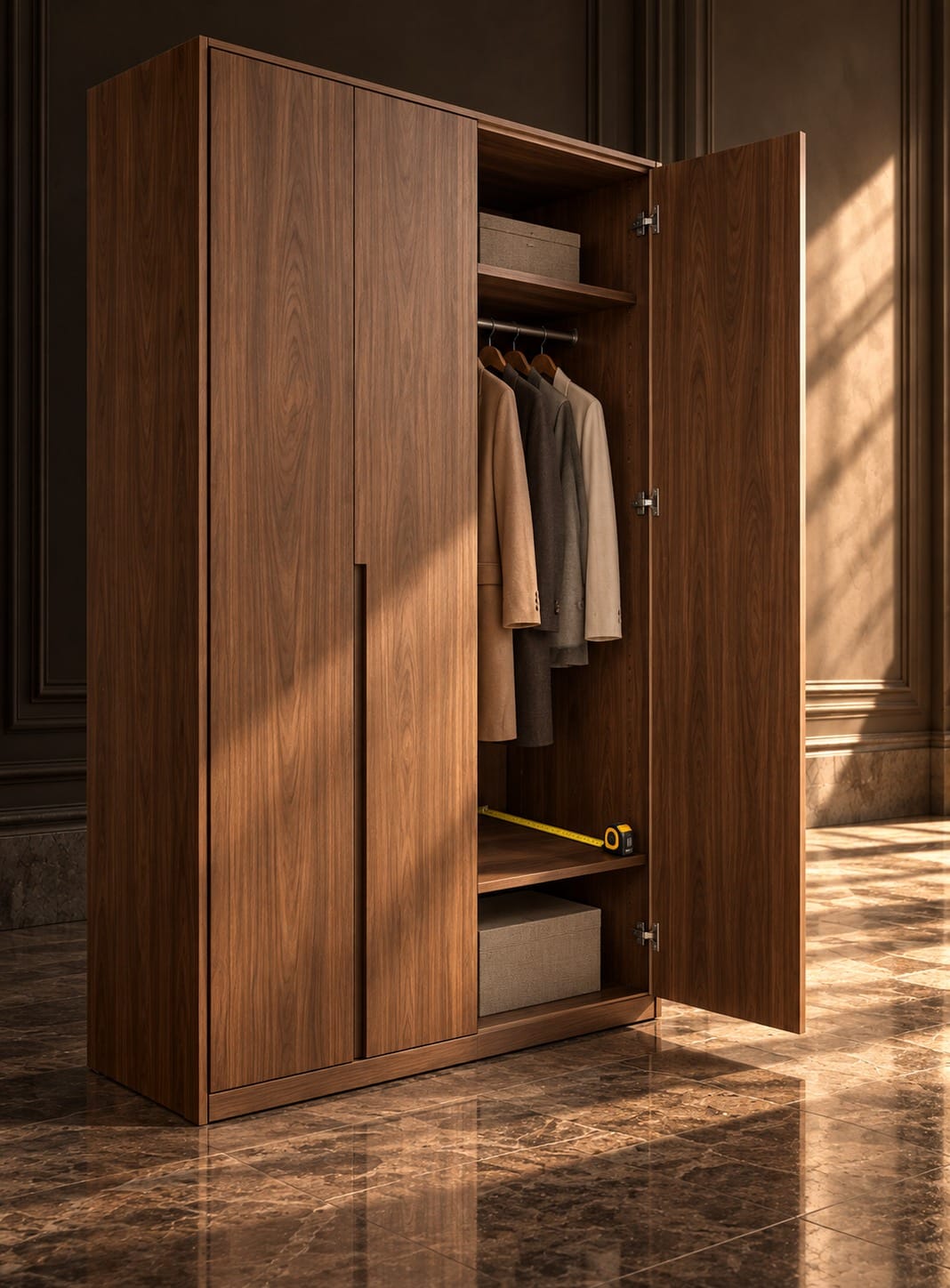
The outside measurement does not always reveal usable storage, making wardrobe internal depth worth checking separately. External wardrobe depth includes the body, back and doors, while usable depth is the space available for clothes and hangers. Tracks or internal components can reduce it. Ask for the clear depth of the relevant section and identify clothing types before comparing wardrobes with similar outside measurements.
Wardrobe Internal Depth: Key Checks
- Measure the clear interior between actual obstructions.
- Test the hangers you use.
- Check door closure with clothing in position.
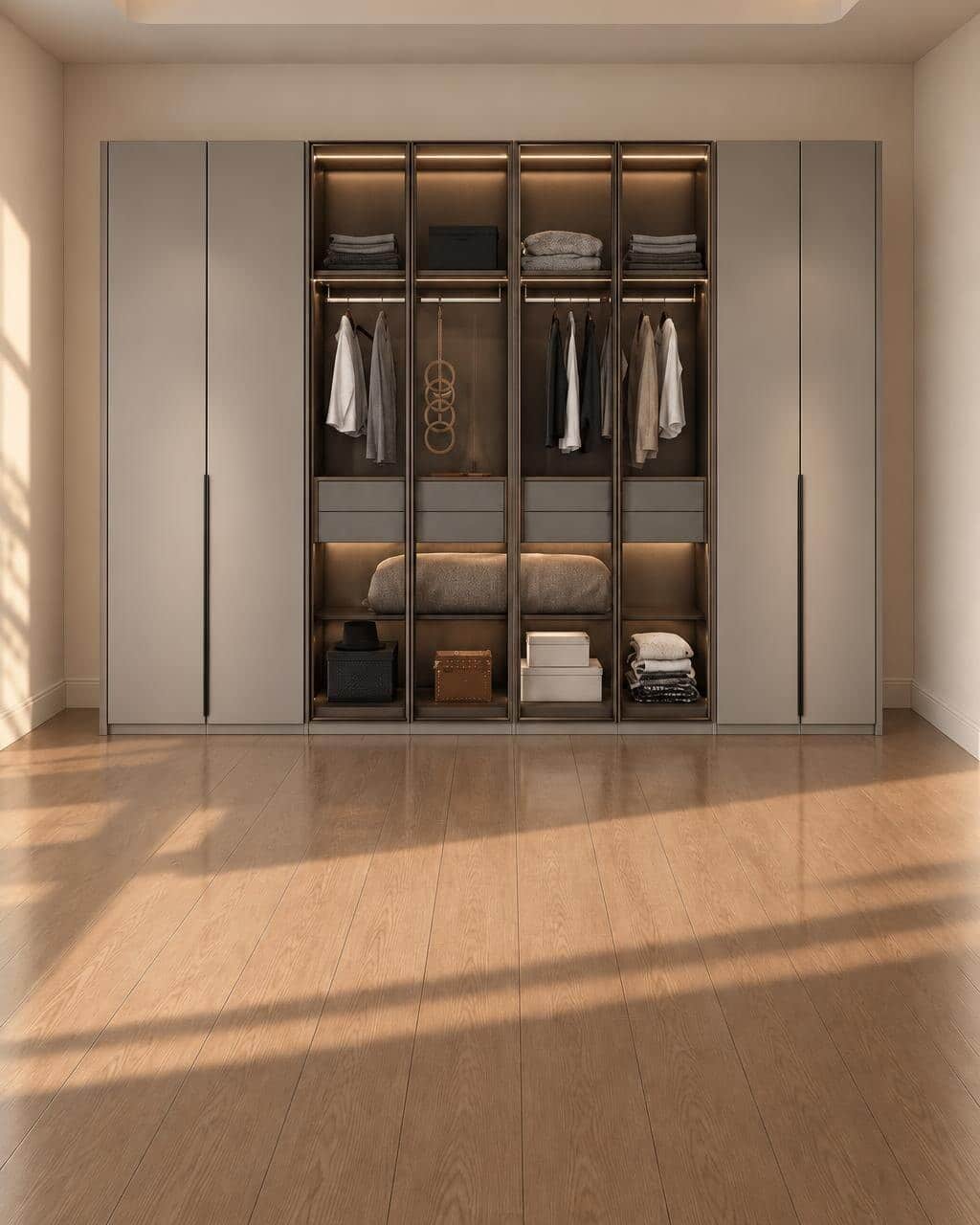
wardrobe internal depth: A practical room example
For wardrobe internal depth, A hanger may fit while the clothing on it presses against the door. Test a representative garment, particularly where sliding doors and tracks reduce the usable space.
Common Mistakes to Avoid
Do not treat outside depth as hanging capacity or assume shelves and hanging sections need identical depths.
When assessing wardrobe internal depth, use “Measure the clear interior between actual obstructions” as the starting check, then confirm the other two points for the same model or arrangement. The aim is a decision that supports the described use, rather than accepting a general product label.
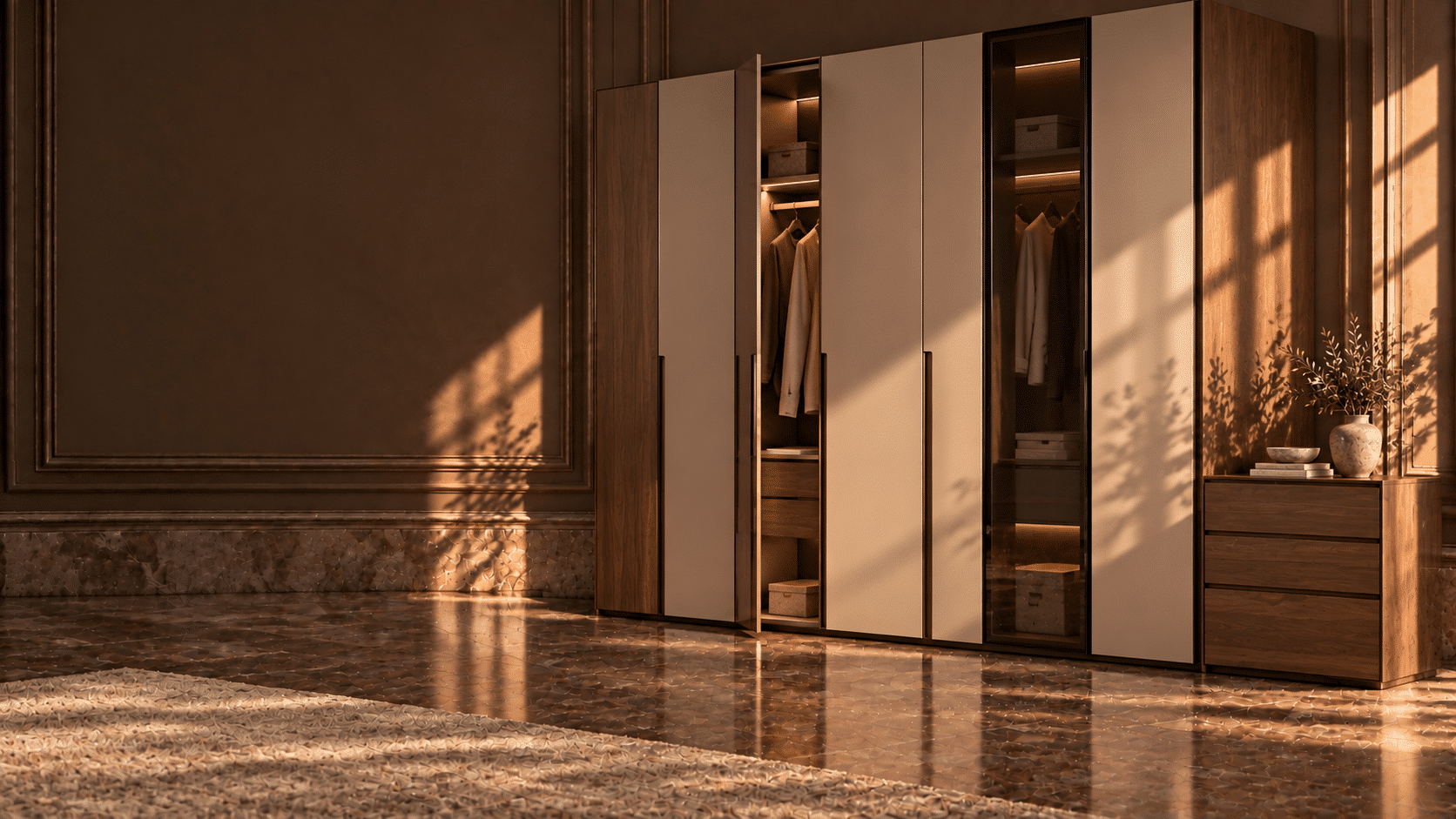
Questions about the selected arrangement
Is a deeper wardrobe always better?
Not always. Balance storage requirements with the wardrobe's projection and movement space in the room.
Compare the bedroom furniture collection from EL MALEK Furniture, then assess the chosen model against the checks above. Confirm model-specific details through documented information or written supplier confirmation before ordering.
Follow EL MALEK Furniture for our latest designs on Instagram, Facebook, TikTok, YouTube, LinkedIn.


Leave a Reply