

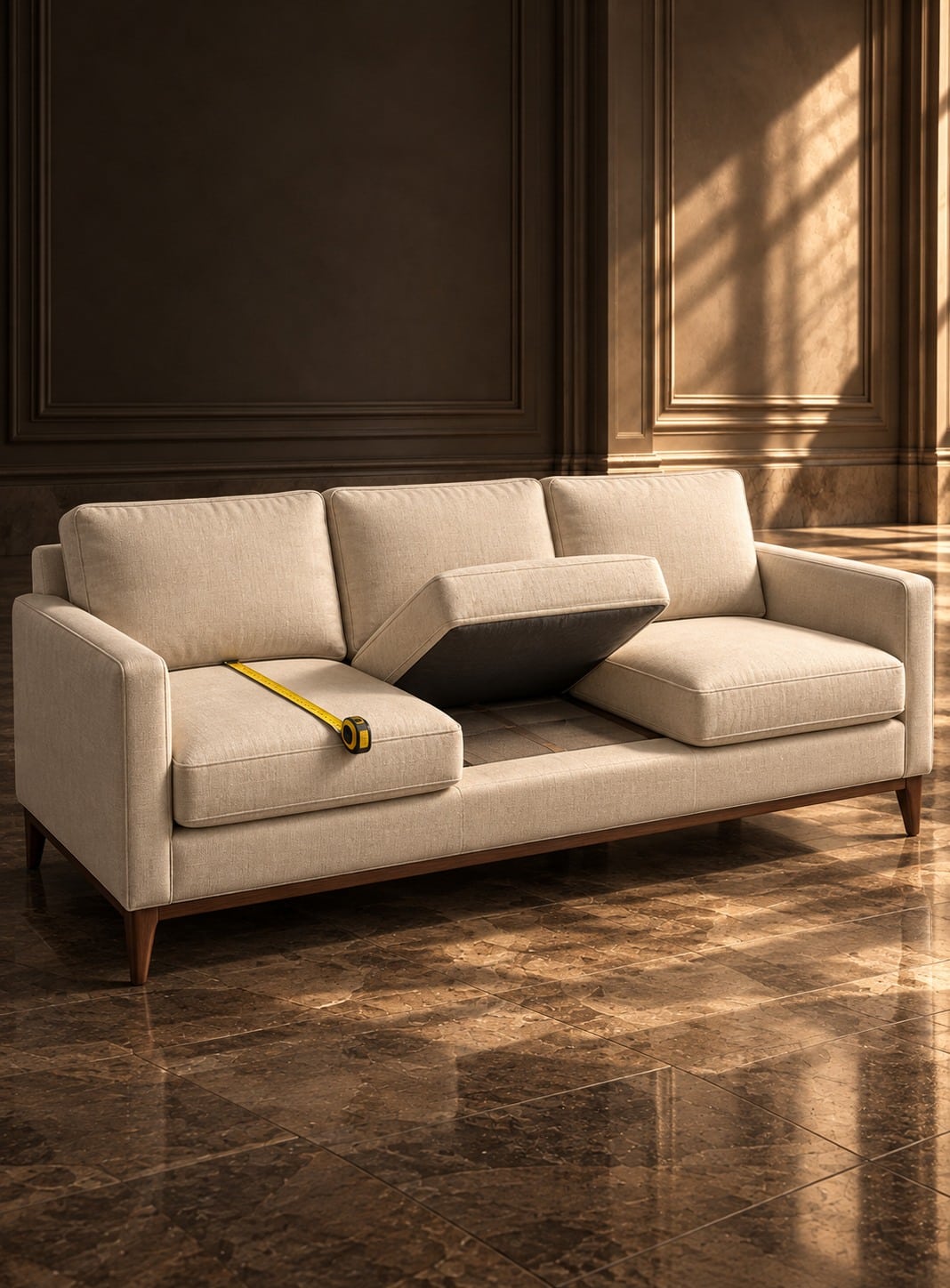
Foot placement and back support reveal whether sofa seat depth works for you more clearly than a product photograph. Usable seat depth is the distance between the front of the seat and the effective back support, not the sofa's outside depth. Cushions and sitting habits change the experience. A deep sofa can look inviting, but the decision requires testing foot position and back support during normal use.
Sofa Seat Depth: Key Checks
- Sit with the cushions intended for use.
- Test foot position and back support.
- Compare upright sitting with relaxed lounging.
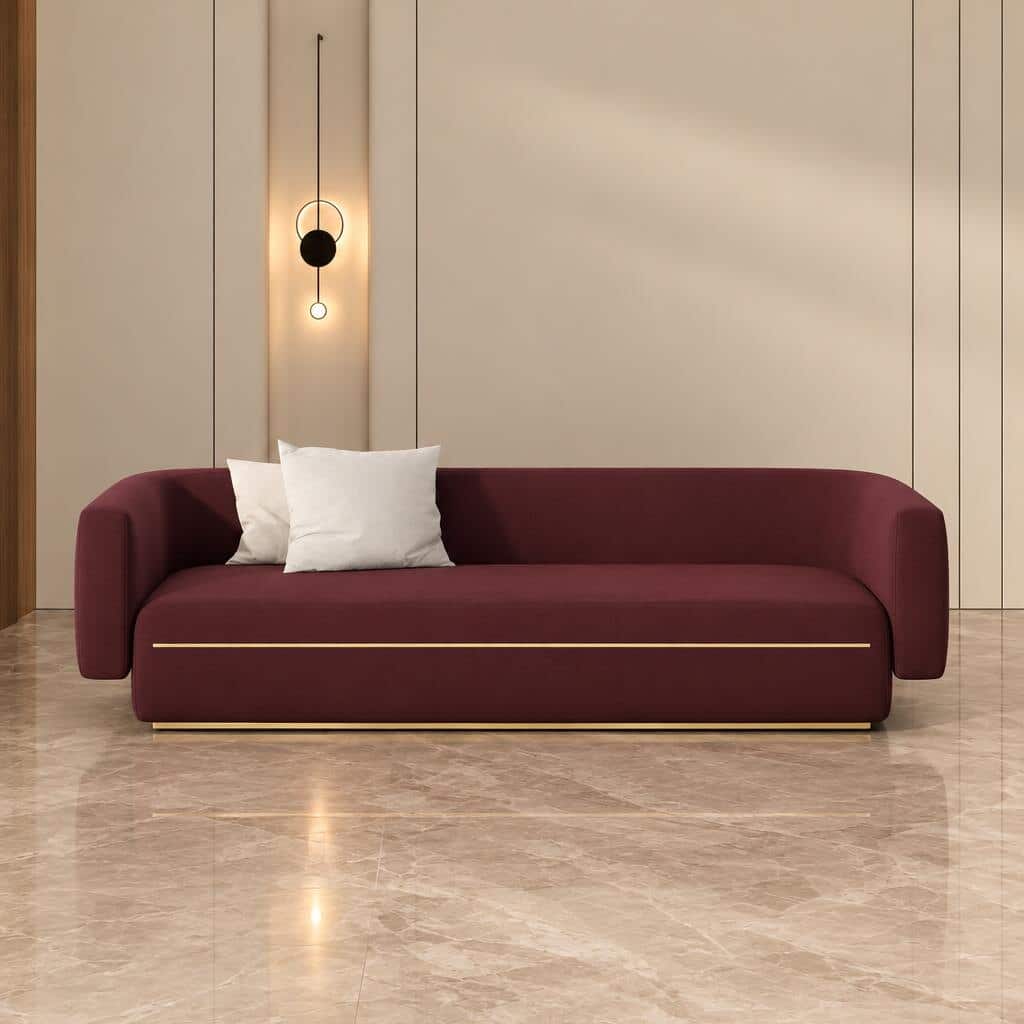
sofa seat depth: A practical room example
For sofa seat depth, when household members differ in height and habits, test the sofa with more than one person. One user's brief trial should not stand in for the whole household's needs.
Common Mistakes to Avoid
Do not substitute overall catalogue depth for seat depth, or judge the sitting position from photographs.
When assessing sofa seat depth, use “Sit with the cushions intended for use” as the starting check, then confirm the other two points for the same model or arrangement. The aim is a decision that supports the described use, rather than accepting a general product label.
Questions about the selected arrangement
Is a deeper sofa always more comfortable?
Comfort depends on the user, position and cushions. Test the seat rather than assuming greater depth is better.
Compare the living-room furniture collection from EL MALEK Furniture, then assess the chosen model against the checks above. Confirm model-specific details through documented information or written supplier confirmation before ordering.
Follow EL MALEK Furniture for our latest designs on Instagram, Facebook, TikTok, YouTube, LinkedIn.


Leave a Reply