

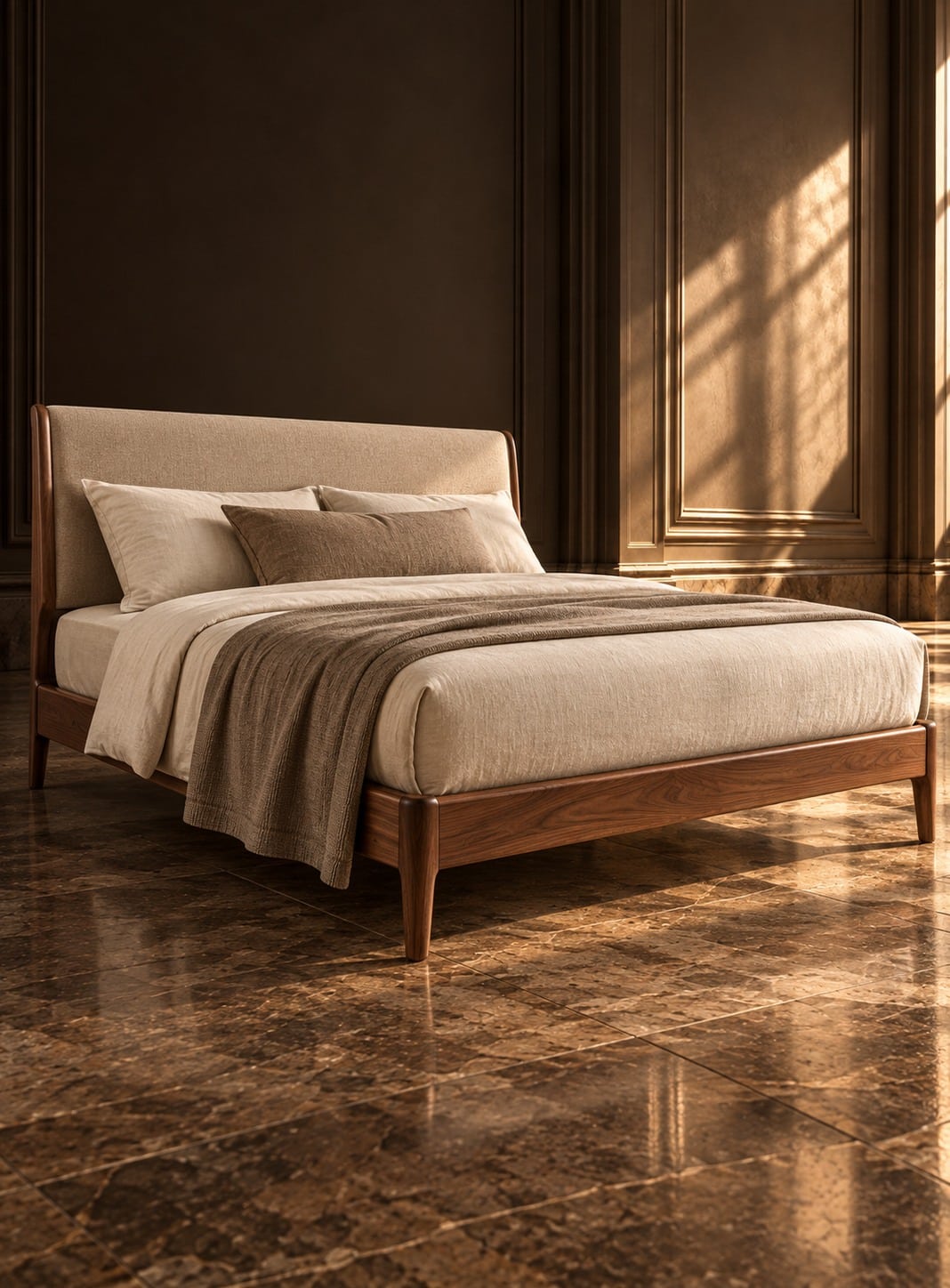
Keeping the foot of the bed visually open is one reason to consider a bed without a footboard, especially where circulation is limited. An open bed end differs from a design with a projecting footboard. Removing that upright element can change how the bed end is approached, but the footprint still depends on the frame and upholstery. Do not assume that every footboard-free bed is shorter; compare actual outside length and end shape.
Bed Without A Footboard: Key Checks
- Check the assembled base length.
- Test walking access at the bed end.
- Decide whether a bench will sit in front of it.
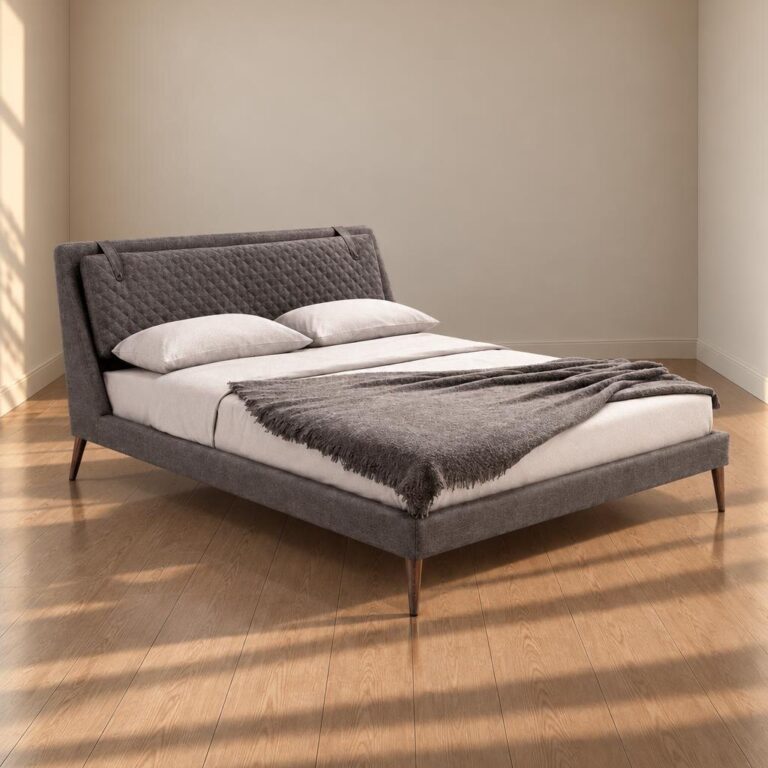
bed without a footboard: A practical room example
For bed without a footboard, with a dresser opposite the bed, a less projecting bed end may improve drawer access. Compare drawer opening and the position needed to stand there, rather than looking only at the gap between two closed pieces.
Common Mistakes to Avoid
Do not overlook low frame corners or choose an open-ended design from its name without checking its dimensions.
When assessing bed without a footboard, use “Check the assembled base length” as the starting check, then confirm the other two points for the same model or arrangement. The aim is a decision that supports the described use, rather than accepting a general product label.
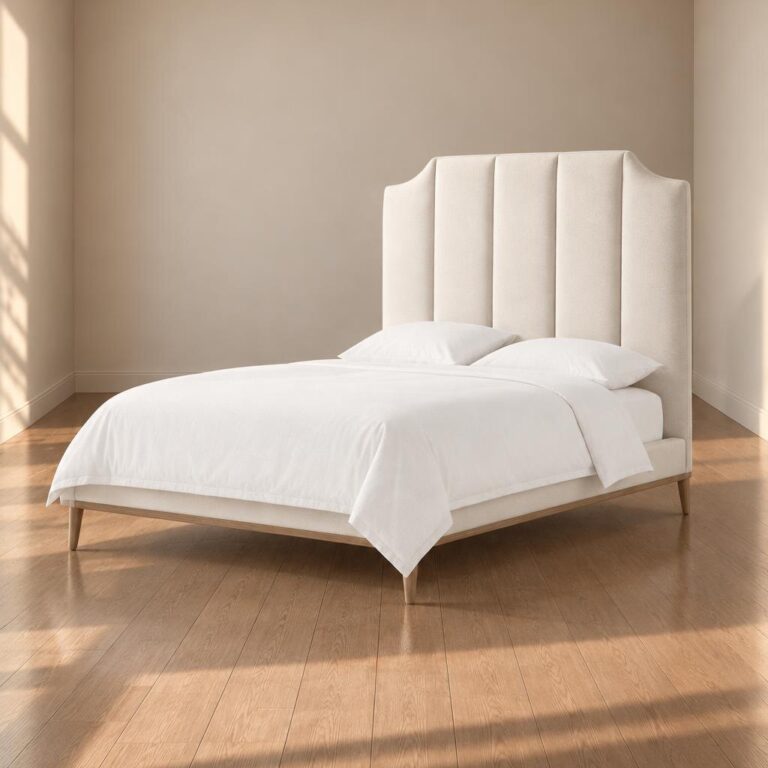
Questions about the selected arrangement
Does removing a footboard eliminate the need for clearance?
No. Walking access, opposite furniture and any bedroom bench still need usable space.
Compare the bedroom furniture collection from EL MALEK Furniture, then assess the chosen model against the checks above. Confirm model-specific details through documented information or written supplier confirmation before ordering.
Follow EL MALEK Furniture for our latest designs on Instagram, Facebook, TikTok, YouTube, LinkedIn.


Leave a Reply