

How to Choose the Best TV Unit for Living Room Spaces
A TV Unit for Living Room is an important part of any modern living space. It creates a stylish focal point while organizing the television, media devices, cables, books, and decorative accessories. The right design should combine attractive details, practical storage, and proportions that suit the wall.
Before buying a TV Unit for Living Room, measure the wall, check your screen size, and list the devices you need to store. You can also browse the ElMalek TV units collection to compare modern designs, materials, and storage options.
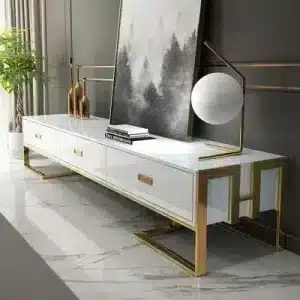
Measure the Wall Before Choosing a TV Unit
Start by measuring the width and height of the wall where the unit will be installed. Mark the locations of doors, windows, electrical outlets, switches, and air-conditioning units. The design should fit the wall comfortably without making the room feel crowded.
Leave enough space around the screen and below the unit. Make sure drawers and cabinet doors can open easily without blocking movement through the living room.
How Do You Choose the Right Size?
A TV unit that is slightly wider than the screen usually creates a balanced appearance. If the design includes side cabinets or open shelves, consider the total width before confirming the order.
The screen height is also important. A television that is mounted too high can be uncomfortable to watch, while a screen that is too low may look unbalanced with the rest of the furniture.
Choose the Right Type of TV Unit
Modern TV units are available in floor-standing, wall-mounted, and full-wall designs. A floor-standing unit offers useful storage for receivers, gaming consoles, books, and accessories. A wall-mounted unit creates a lighter appearance and makes cleaning underneath easier.
A full TV wall can suit a spacious living room. It can combine wood panels, shelves, closed cabinets, concealed lighting, and a low storage unit beneath the screen.
Plan Storage Around Your Devices
Before approving the design, make a list of the devices that will be placed inside the unit. These may include a receiver, gaming console, speakers, streaming device, or DVD player.
Provide cable openings and enough ventilation around electronic devices. Closed drawers are useful for remote controls, cables, and small items, while open shelves can display books, vases, and decorative accessories.
How Can You Hide TV Cables?
Cables can be routed inside the wall or behind the unit panels. Make sure there is still easy access to the devices for maintenance or replacement.
If you choose a wall-mounted TV unit, check that the wall can support its weight and that the installation fittings are suitable for the wall type.
Choose Materials That Suit Your Living Room
The material affects the appearance, durability, weight, and cleaning requirements of the unit. Natural wood and wood veneer create a warm and elegant look, while painted and matte surfaces provide a clean contemporary style.
Wood can be combined with marble, glass, or subtle metal details. Using a limited number of materials helps the TV wall look coordinated instead of visually crowded.
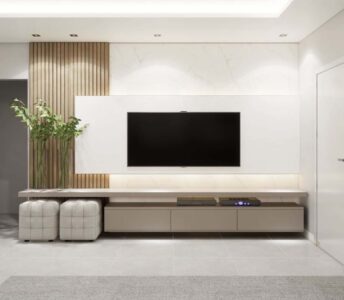
Choose Colors That Work with the Room
Natural wood tones, beige, brown, grey, and off-white are easy to coordinate with most living room furniture. A light-colored unit against a darker wall can create a balanced contrast.
For a small living room, light colors and simple lines can make the wall appear more open. Dark finishes can create a luxurious atmosphere when combined with suitable lighting and neutral furniture.
Compare the unit’s color with the flooring, doors, coffee table, sofa, and other furniture before making your final decision.
Do You Need a Full TV Wall?
A full TV wall is suitable for wide walls or living rooms that need additional storage. It may include decorative panels, shelves, cabinets, and a low unit below the screen.
In a smaller room, a simple TV unit below the television may be enough. Choose the storage you actually need and keep the wall visually balanced.
Use Lighting Carefully
Concealed lighting can highlight the texture and shape of the unit. Use soft, indirect light so it does not create reflections on the television screen.
LED strips can be installed behind wood panels or inside open shelves. Warm or neutral lighting usually works well with wood, beige, grey, and marble finishes.
Style the Shelves Without Overcrowding Them
A few books, vases, ceramic pieces, framed photos, or decorative boxes can add personality to the TV wall. Vary the sizes of the accessories and leave some space empty.
One larger decorative item can balance several smaller pieces. Avoid filling every shelf because an overcrowded unit can make the living room look untidy.
Review the Details Before Production
Before confirming your order, review the final dimensions, screen position, number of shelves and drawers, materials, colors, lighting, and cable routes.
For a made-to-measure TV Unit for Living Room, send a clear photograph and accurate measurements of the wall. Ask about production time, delivery, installation, warranty, and the possibility of changing the size or finish.
Quick Tips for Buying a TV Unit
- Measure the wall and screen before choosing a design.
- List all devices that need to be stored.
- Allow space for cables and ventilation.
- Choose a comfortable screen height.
- Coordinate the unit with the floor, doors, sofa, and coffee table.
- Use soft concealed lighting.
- Leave enough space around the unit.
- Review installation and warranty details.
Explore TV Units from ElMalek Furniture
ElMalek Furniture offers modern TV units in different materials, colors, sizes, and storage configurations. The design can be reviewed according to your wall dimensions and the devices you want to organize.
Visit ElMalek Furniture to explore the latest collections and find a TV Unit for Living Room that suits your home.
For more furniture inspiration, follow ElMalek Furniture on:
Frequently Asked Questions
What size should a TV unit be?
A TV unit that is slightly wider than the screen usually looks balanced. The final size should also suit the wall and leave enough space around nearby furniture.
Is a wall-mounted unit better than a floor-standing unit?
A wall-mounted design creates a lighter look and makes cleaning easier. A floor-standing unit usually provides more storage for devices and accessories.
How can I hide TV cables?
Cables can be routed inside the wall or behind the unit panels. Always leave access for maintenance and provide suitable ventilation around electronic devices.
What color is best for a TV unit?
Wood tones, beige, grey, and off-white are versatile choices. Dark finishes can also look elegant when they match the room’s lighting and furniture.
Can a TV unit be made to fit my wall?
Some designs can be customized in size, material, color, and storage layout. Share accurate measurements before confirming the production of your TV Unit for Living Room.


Leave a Reply