

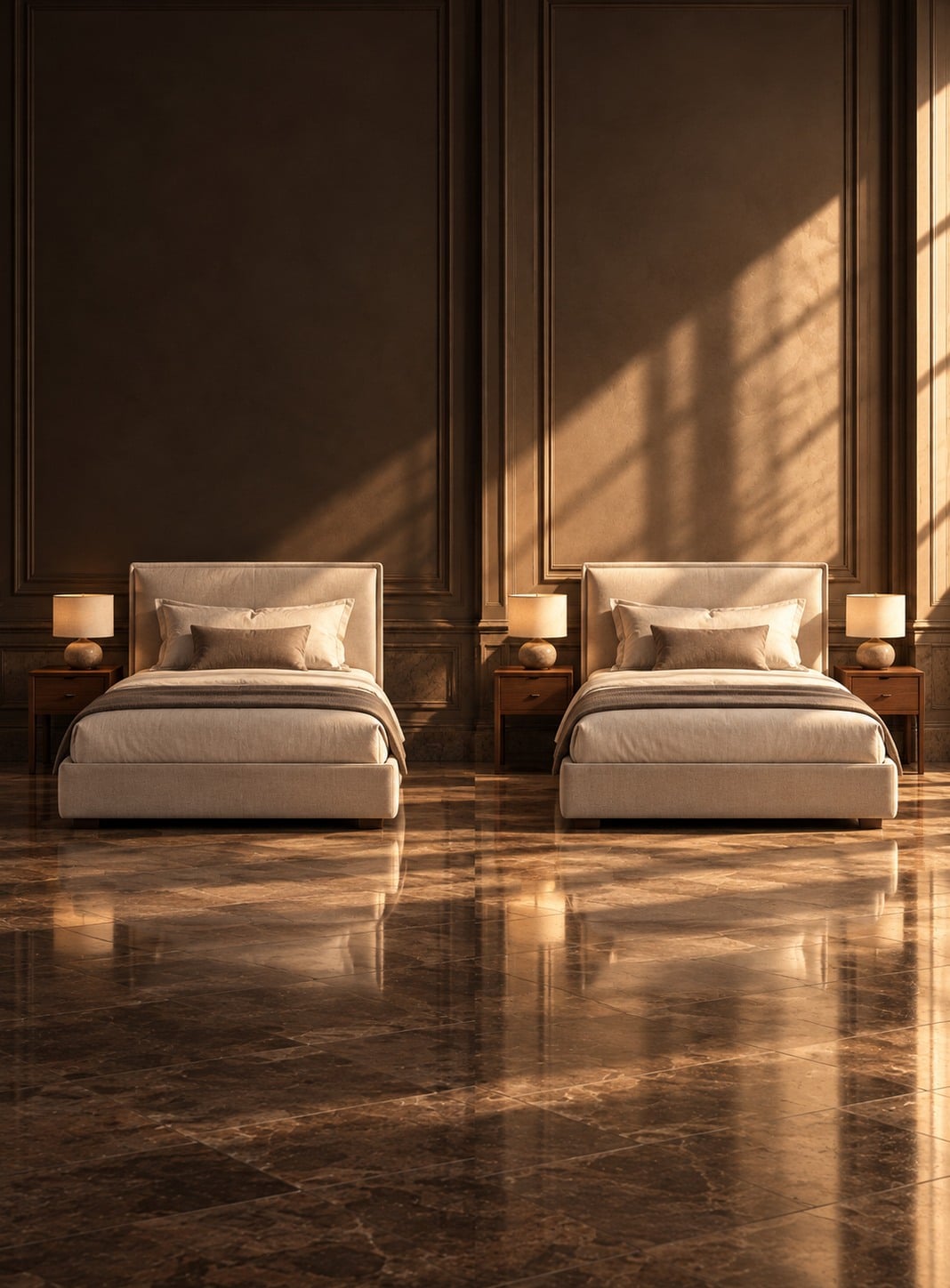
Unequal space on either side of a bed can change the choice between one nightstand or two, even in an otherwise balanced room. The number of nightstands should follow bedside access and each user's needs. Two tables provide independent surfaces, while one may work better beside a wall or a restricted walkway. Consider the function before treating visual symmetry as a requirement.
One Nightstand Or Two: Key Checks
- Check actual access on each bedside.
- List the items needed by each user.
- Test drawer opening before finalizing the layout.
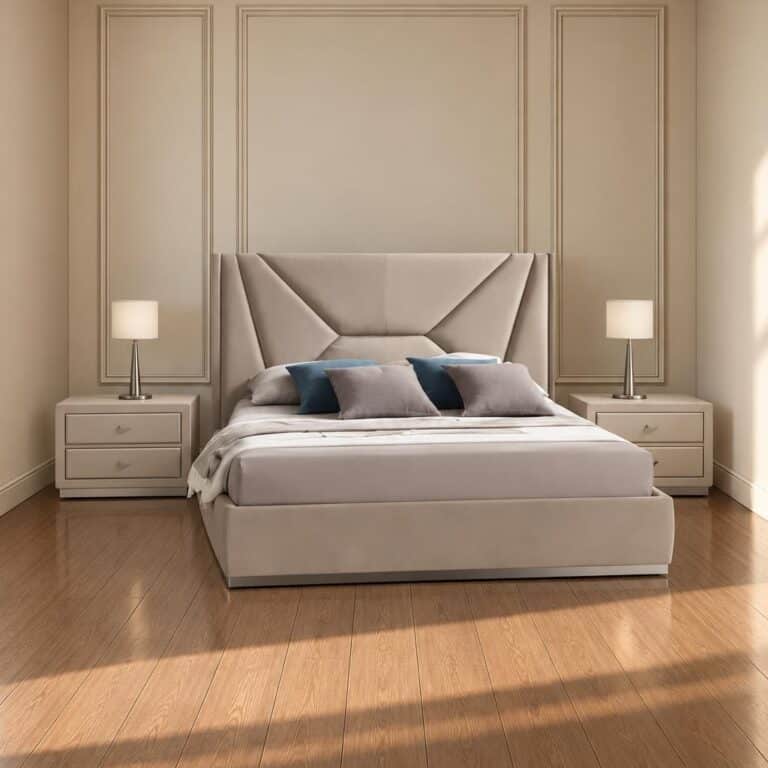
one nightstand or two: A practical room example
For one nightstand or two, when the bed is accessed from one side, do not add a second table merely to complete a set. A clear route and a useful surface on the active side may be more practical.
Common Mistakes to Avoid
Do not let an additional nightstand obstruct a window or doorway. Compare the set with the room's actual layout.
When assessing one nightstand or two, use “Check actual access on each bedside” as the starting check, then confirm the other two points for the same model or arrangement. The aim is a decision that supports the described use, rather than accepting a general product label.
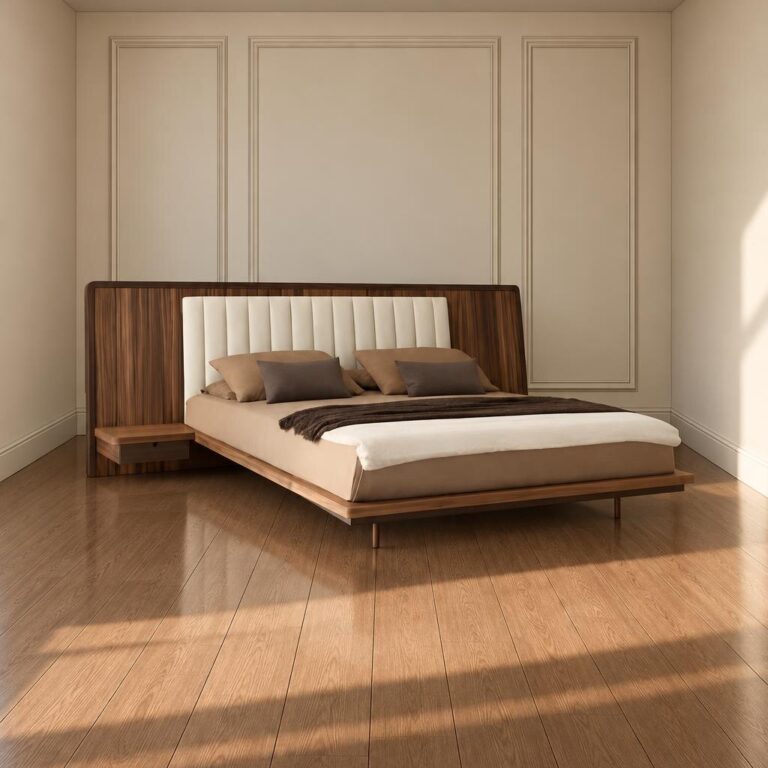
Questions about the selected arrangement
Does one nightstand make the layout unbalanced?
One side can be coordinated deliberately. Assess the relationship between table, bed and wall rather than the number of pieces alone.
Compare the bedroom furniture collection from EL MALEK Furniture, then assess the chosen model against the checks above. Confirm model-specific details through documented information or written supplier confirmation before ordering.
Follow EL MALEK Furniture for our latest designs on Instagram, Facebook, TikTok, YouTube, LinkedIn.


Leave a Reply