

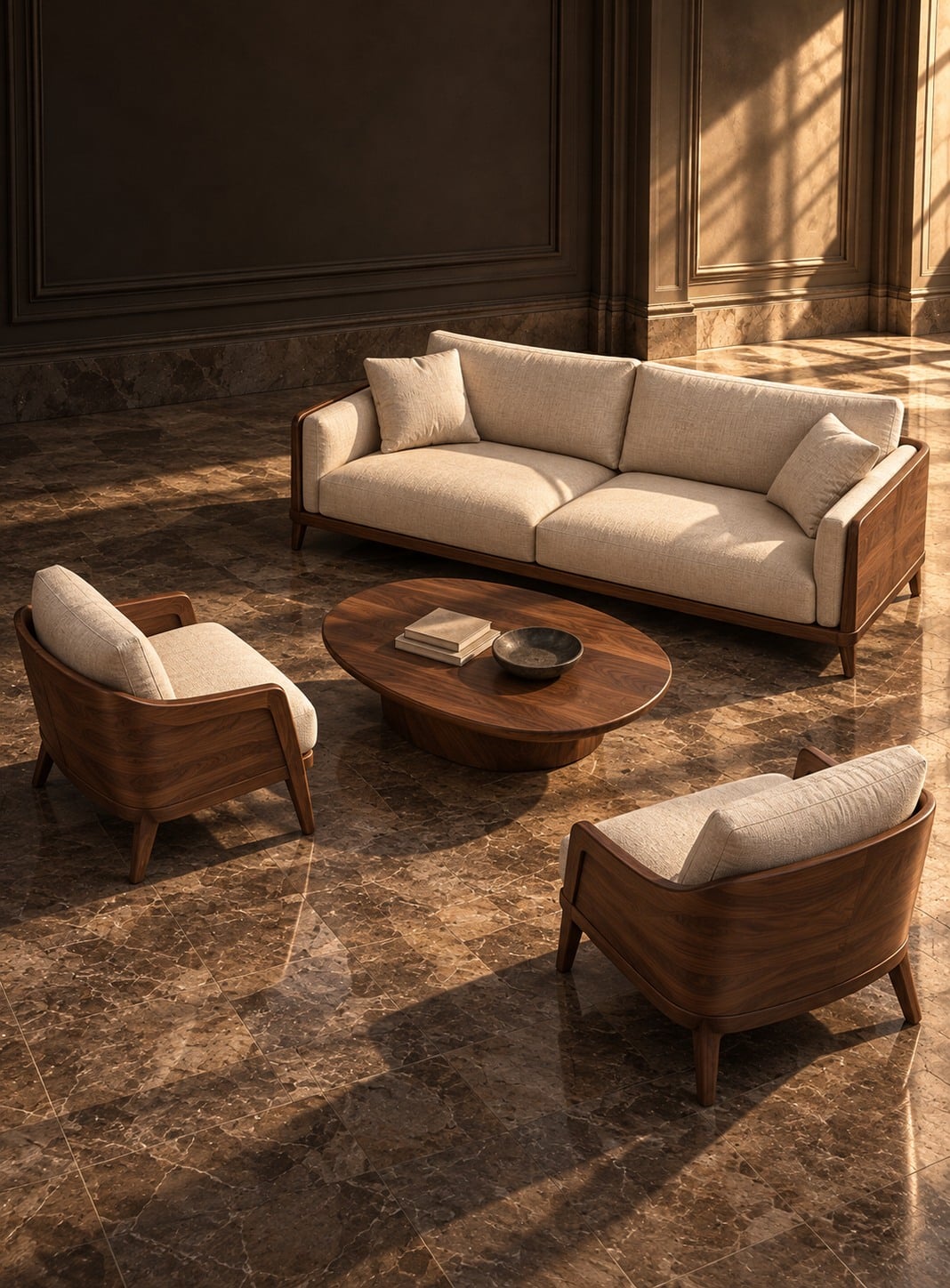
Turning a chair towards a sofa or screen can alter the walkway, so test the living room chair angle within the proposed layout. Chair direction determines whom the seated person faces and how the seat is approached. A small angle can connect it to conversation, while another can isolate it or project into a walkway. There is no single angle for every room; test the sofa, screen and entry relationships.
Living Room Chair Angle: Key Checks
- Test conversation between seats.
- Check projection after turning the chair.
- Test entry from the room's main approach.
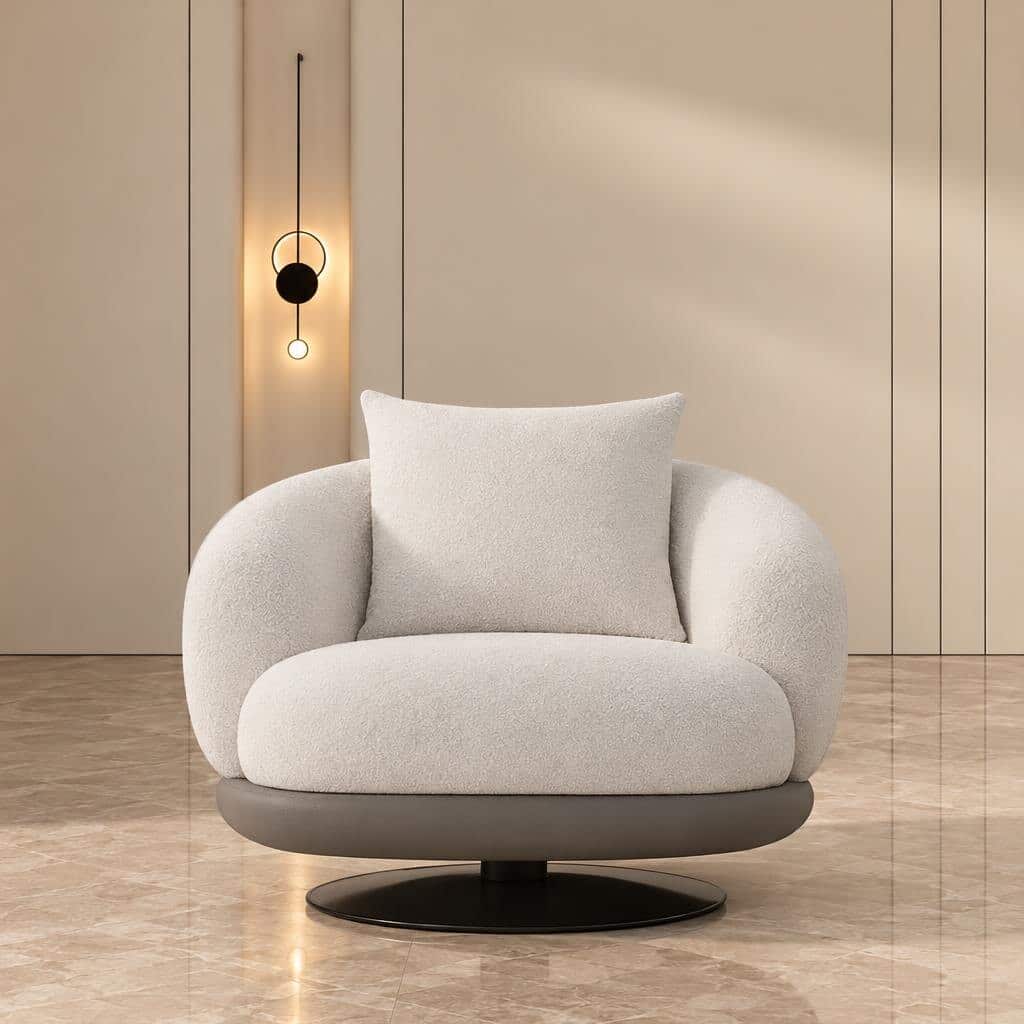
living room chair angle: A practical room example
For living room chair angle, turning a chair toward the sofa can create a wall gap but increase arm projection elsewhere. Check both effects before approving the angle for its appearance.
Common Mistakes to Avoid
Do not measure the chair parallel to the wall and then rotate it without reassessing the new footprint.
When assessing living room chair angle, use “Test conversation between seats” as the starting check, then confirm the other two points for the same model or arrangement. The aim is a decision that supports the described use, rather than accepting a general product label.
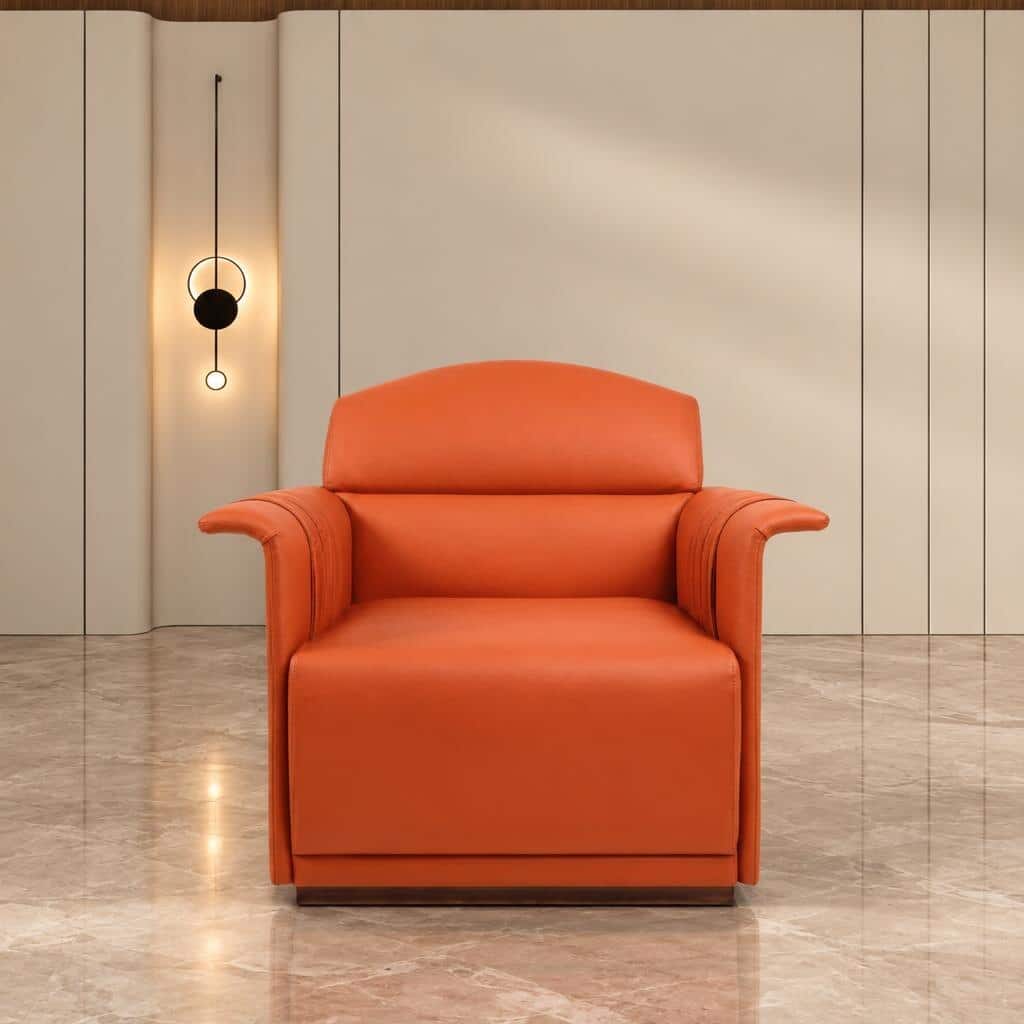
Questions about the selected arrangement
Must every seat face the screen?
Not necessarily. Decide whether conversation or viewing takes priority, then test the arrangement against that use.
Compare the living-room furniture collection from EL MALEK Furniture, then assess the chosen model against the checks above. Confirm model-specific details through documented information or written supplier confirmation before ordering.
Follow EL MALEK Furniture for our latest designs on Instagram, Facebook, TikTok, YouTube, LinkedIn.


Leave a Reply