

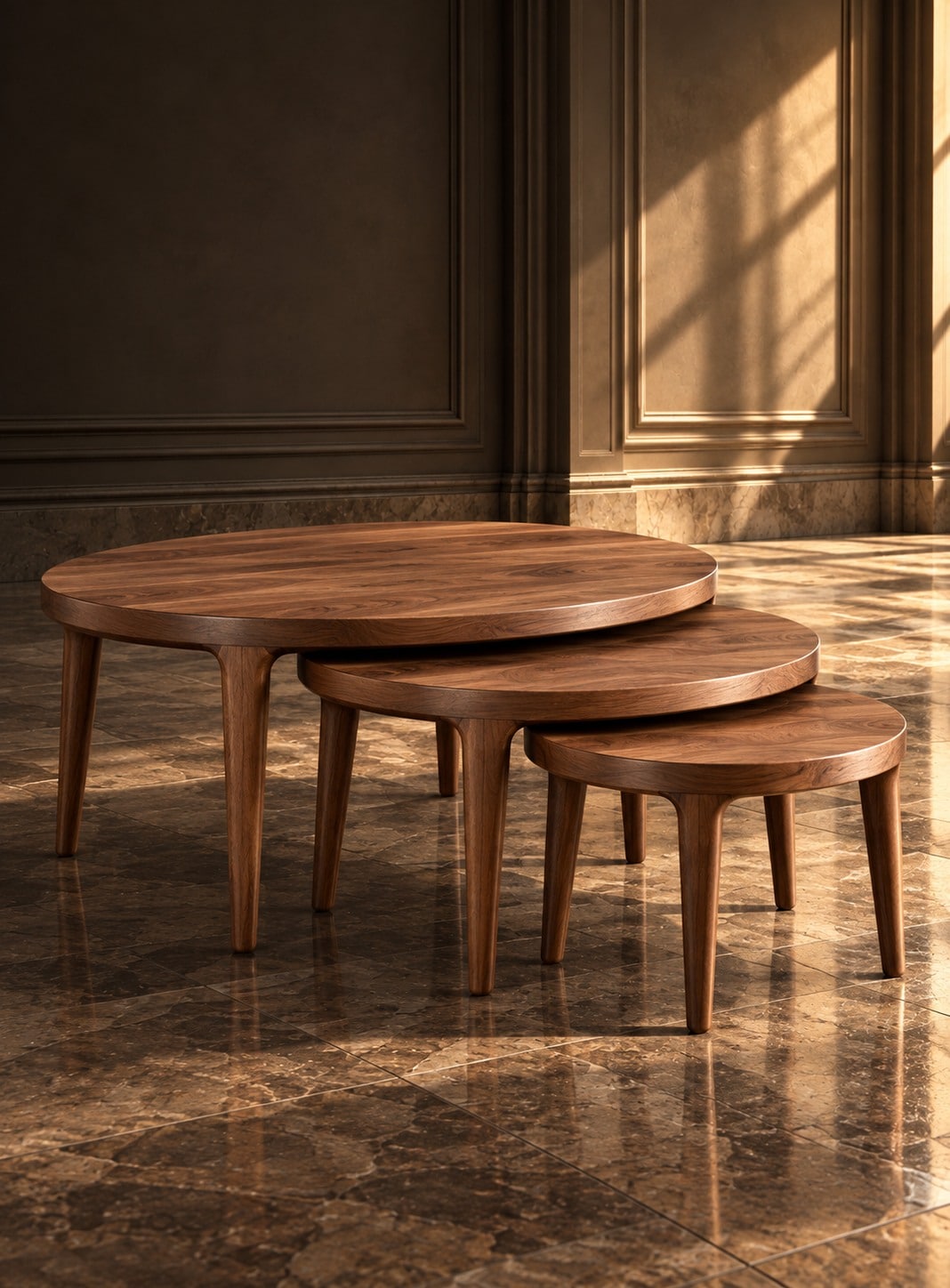
Bringing out an extra surface when needed helps explain the practical role of nesting tables for flexible spaces in a room layout. Nesting tables allow combined or separate use according to their design. The stored arrangement differs from the in-use footprint, and spread-out pieces may need more room than the photograph suggests. Check separation, height relationships and the purpose of each surface.
Nesting Tables For Flexible Spaces: Key Checks
- Test separation and nesting.
- Compare stored and in-use footprints.
- Inspect each piece's individual stability.
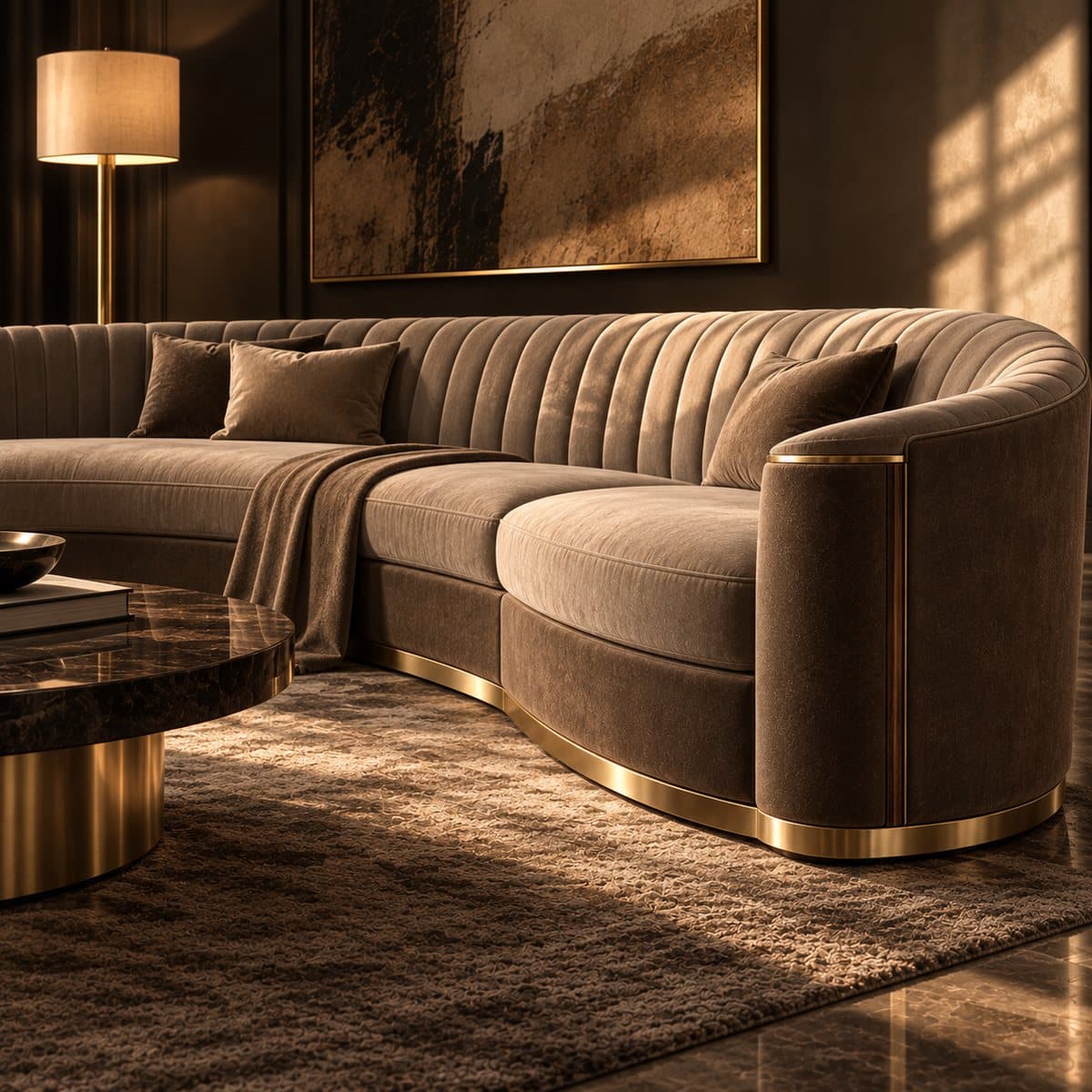
nesting tables for flexible spaces: A practical room example
For nesting tables for flexible spaces, if tables are separated for guests, plan each position and the walking routes. The compact nested footprint does not describe the full arrangement during use.
Common Mistakes to Avoid
Do not assume the smaller piece is a seat or has an undocumented load capacity. Follow the set's stated use instructions.
When assessing nesting tables for flexible spaces, use “Test separation and nesting” as the starting check, then confirm the other two points for the same model or arrangement. The aim is a decision that supports the described use, rather than accepting a general product label.
Questions about the selected arrangement
Do all nesting sets work in the same way?
No. Bases, heights and nesting directions change how the pieces separate, store and function.
Compare the TV units and home accessories collection from EL MALEK Furniture, then assess the chosen model against the checks above. Confirm model-specific details through documented information or written supplier confirmation before ordering.
Follow EL MALEK Furniture for our latest designs on Instagram, Facebook, TikTok, YouTube, LinkedIn.


Leave a Reply